
Find Your Perfect Dog Match: 15 Lifestyle-Based Picks To Try Before Any Dog Breed Quiz
Finding a forever dog is less about looks and more about lifestyle. The right dog fits into your daily rhythm, your space, your energy level, and your family. When those line up, life feels easier and your bond grows deep.
Online tools like a Dog Breed Quiz are a helpful starting point, since they match breeds to your habits and preferences. Breed selector tools such as the AKC breed selector or the Purina dog breed selector can give you a short list to explore.
This guide goes one step further. It groups dogs by real-life situations, from apartment living and busy singles to seniors and families with toddlers. Use it alongside your favorite Dog Breed Quiz to narrow down the type of dog that fits you best.
1. Best Dogs For Apartment Living
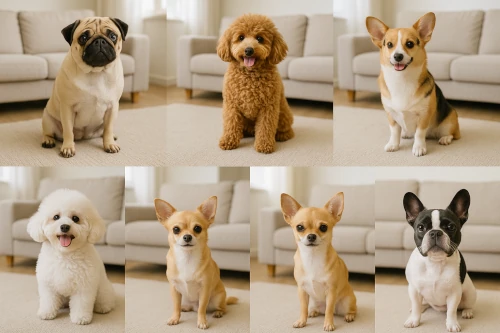
Apartment dogs need calm energy, polite manners, and a body size that makes sense in tight spaces. Barking and zoomies echo in shared hallways and can upset neighbors, so temperament matters more than square footage.
Recommended Breeds
- French Bulldog Compact, quiet, and usually happy with short walks and long naps.
- Cavalier King Charles Spaniel Gentle, affectionate, and flexible about activity levels indoors.
- Shih Tzu Small, sturdy, and usually content with short play sessions and couch time.
- Boston Terrier Friendly and people-focused, with moderate exercise needs in a small frame.
- Pug Clownish, affectionate, and well suited to short walks and lots of cuddles.
For more examples, you can skim guides like the AKC list of best dogs for apartment dwellers when you want more ideas.
Key Traits To Prioritize
- Low exercise needs (under about 30 minutes of hard activity per day)
- Quiet temperament with low barking
- Compact size, often under 20 pounds as an easy guideline
Sample Daily Routine
- Morning potty walk around the block
- Midday potty break and a short play session indoors
- Evening stroll, then quiet cuddle time on the sofa
Potential Challenges
- Separation anxiety in close quarters if left alone for long stretches
- Neighbor noise issues if barking is not managed early
2. Dogs For Small Homes Without Yards
No yard does not mean no dog. It just means you plan movement, brain games, and bathroom breaks in a more structured way.
Recommended Breeds
- Havanese Small, social, and usually happy indoors between short walks.
- Maltese Tiny and adaptable, with exercise needs that fit tight spaces.
- Yorkshire Terrier Pocket-sized with a big attitude, well suited to indoor play and short walks.
- Bichon Frise Light, playful, and adaptable, often a good fit for small homes.
Exercise Alternatives
- Leash walks around the neighborhood
- Puzzle toys that make your dog “work” for food
- Indoor fetch in a hallway or living room
Space-Saving Gear
- Compact, washable dog beds
- Pee pads or indoor potty options, if needed
- Vertical toys or shelves for toy storage
Training Focus Areas
- Potty training with a clear, consistent spot
- Leash manners in tight hallways and stairwells
- Reliable recall inside, coming back when called around doors
3. Dogs For Houses With Large Yards
A big yard feels like a dog dream, but it suits active dogs best. Many medium and large breeds love room to run, explore, and play with their people.
Recommended Breeds
- Labrador Retriever Energetic, social, and usually crazy for fetch and water.
- Golden Retriever Friendly and playful, with steady energy and a love for family time.
- Border Collie Highly intelligent and active, ideal for a job or sport.
- Australian Shepherd Herding dog with high energy, needs both mental and physical work.
- Boxer Playful, bouncy, and affectionate, great for active households.
- Vizsla Velcro-style companion with strong endurance and a need for daily exercise.
Yard Play Ideas
- Fetch games with balls or frisbees
- Simple agility setups with jumps and tunnels
- A set “digging zone” where digging is allowed
Fencing Basics
- Enough height for your breed, often at least 5 to 6 feet
- Dig-proofing with buried wire or stones at the base
- Secure, latchable gates that close firmly
Supervision Tips
- Check fences and gates often for gaps or loose boards
- Provide shade, fresh water, and shelter in hot or cold weather
4. Dogs For Active Singles Or Couples
If you hike, run, or bike several times a week, a high-energy dog can be your best teammate. These dogs usually bond strongly with their core people and enjoy constant activity.
Recommended Breeds
- Jack Russell Terrier Small but intense, with energy that matches long outings.
- Siberian Husky Strong endurance, suited for cooler climates and snow sports.
- Dalmatian Athletic and alert, bred historically to keep pace with horses.
- Weimaraner Graceful, powerful, and very attached to their people.
- Rhodesian Ridgeback Strong, athletic dog that can handle longer, steady exercise.
Workout Compatibility
- Running partners for road runs or trail runs
- Biking with safe attachments and gradual training
- Long hikes with packs and regular rest stops
Solo Time Management
- Crate training for safe resting periods
- Doggy daycare or dog walkers on longer work days
Bonding Activities
- Obedience classes that sharpen focus
- Trick training to build communication and confidence
5. Dogs For Families With School-Age Kids
School-age kids often want a playful friend who can keep up but still handle goofy, sometimes clumsy play. Temperament and patience matter more than size alone.
Recommended Breeds
- Beagle Curious, cheerful, and usually very people-focused.
- Bulldog Calm and steady, often happy with gentle play and short walks.
- Collie Loyal, gentle, and often very intuitive with children.
- Newfoundland Huge but soft-hearted, famous for gentle patience.
- Bernese Mountain Dog Large, friendly, and generally calm around family.
- Soft Coated Wheaten Terrier Bouncy and affectionate, often loving with kids when well trained.
Kid-Friendly Traits
- Patience with noise and sudden movements
- Playfulness without harsh mouthing or rough play
- A size that matches your comfort level for child handling
Interaction Rules
- Teach kids to respect the dog’s body and space
- Keep play supervised, especially in the first months
- Avoid roughhousing that encourages chasing or grabbing
Multi-Pet Integration
- Look for breeds known to tolerate cats if you have one
- Introduce sibling dogs with safe, slow meetings
6. Dogs For Families With Toddlers
Toddlers move fast and lack fine control. Dogs for these homes must be tolerant, physically stable, and calm under stress.
Recommended Breeds
- Labrador Retriever Steady, friendly, and usually very people-focused.
- Newfoundland Gentle giant with a calm, protective feel.
- Saint Bernard Massive, slow-moving, and often patient with little ones.
- Bullmastiff Solid and calm, often loyal and protective of family.
Safety First Checklist
- Soft, non-nippy mouth habits
- Stable body that does not get startled by bumps
- Calm reaction to sudden noise or clumsy touches
Early Socialization Steps
- Controlled exposure to baby sounds and toys
- Gentle handling by adults while the dog relaxes
Nap Time Strategies
- Quiet dog zone away from toddler chaos
- Predictable crate or bed routine so the dog can rest
7. Dogs For Seniors Or Low-Mobility Owners
Low-mobility owners often do best with calm, moderate dogs that enjoy short walks and long resting periods.
Recommended Breeds
- Greyhound Surprising couch potato, often relaxed indoors after short sprints.
- Cavalier King Charles Spaniel Small, affectionate, and usually content with gentle walks.
- Whippet Smaller cousin of the Greyhound, calm indoors and sweet-natured.
- French Bulldog Low-energy and loving, with short, manageable walks.
- Basset Hound Slow, sturdy, and scent-focused, often content with sniffy strolls.
Low-Maintenance Exercise
- Short strolls around the block
- Gentle sniffing walks for mental stimulation
Health Compatibility
- Breeds that are easier on joints
- Dogs that do not need frequent jumping or stairs
Assistance Potential
- Calm companionship that reduces loneliness
- Alert barking when someone is at the door
8. Dogs For First-Time Owners
First-time owners benefit from forgiving, people-focused dogs that enjoy learning and bounce back from beginner mistakes. Many Dog Breed Quiz tools lean heavily on this factor when they suggest starter breeds.
You can also try tools like the Iams dog breed selector to compare several beginner-friendly options side by side.
Recommended Breeds
- Labrador Retriever Eager to please, social, and usually very trainable.
- Golden Retriever Gentle, patient, and often easy for new owners.
- Miniature Poodle Smart, trainable, and often lighter shedding.
- Cavalier King Charles Spaniel Easygoing companion with moderate needs.
- Shih Tzu Small, affectionate, and often suited to calm homes.
- Beagle Friendly and sturdy, though sniffy and food-motivated.
Beginner Training Notes
- Positive reinforcement with treats and praise
- Short, fun training sessions spaced through the day
- Puppy or basic manners classes for structure
Forgiving Temperaments
- High tolerance for small training slipups
- Eager to please and quick to rebuild trust
Helpful Resources
- Training apps with video lessons
- How-to books from trusted trainers
- Online forums and communities for common questions
9. Dogs For Experienced Owners
Some dogs shine with owners who know body language, training structure, and breed needs. These dogs can be loyal, brilliant partners but often need strong guidance.
Recommended Breeds
- German Shepherd Highly intelligent and driven, excels with steady training and work.
- Belgian Malinois Intense working dog, often used in police and sport roles.
- Doberman Pinscher Alert, loyal, and sensitive to their handler’s mood.
- Akita Strong-willed guardian with a serious, independent nature.
- Rottweiler Powerful and loyal, needs clear rules and structure.
Advanced Training Areas
- Protection sports or formal obedience
- Scent detection games, like tracking or search work
- Herding activities where available
Mental Stimulation Ideas
- Daily “jobs”, like carrying a pack or finding hidden items
- Formal dog sports like Schutzhund or nose work
Commitment Warnings
- Large time investment in training and outlets
- High exercise minimums for body and brain
10. Dogs For Allergy Sufferers
No dog is completely hypoallergenic, but some breeds drop less dander and hair. Many people with mild allergies do better with these breeds when they also clean often and manage air quality.
Recommended Breeds
- Poodle (all sizes) Curly, low-shed coat that traps hair rather than dropping it.
- Portuguese Water Dog Curly or wavy coat with lower shedding.
- Schnauzer (Miniature or Standard) Harsh coat that sheds less than many double-coated breeds.
- Soft Coated Wheaten Terrier Silky, single coat that often suits some allergy sufferers.
- Bichon Frise Curly coat that holds hair and can be easier on some people.
- Maltese Long, fine hair that sheds lightly with regular grooming.
- Yorkshire Terrier Hair-like coat that often works better for allergies than many shedding breeds.
For more background on coat types and allergy links, you can cross-check with education tools like the EdApp dog breed quiz that teach about different breeds as you answer questions.
Allergen Facts
- Lower dander levels, though never zero
- Non-shedding or low-shedding coats
- Grooming often needed every 4 to 8 weeks
Home Prep Checklist
- HEPA air filters to catch dander
- Regular dog baths with gentle shampoo
- Hypoallergenic bedding covers and washable throws
Testing First
- Spend time around the specific breed before committing
- Talk to an allergist about shots or medication if needed
11. Dogs For Minimal Shedding
If you hate lint rollers, you can focus on breeds known to shed less, or on coat types that are easier to manage with grooming.
Recommended Breeds
- Basenji Short, sleek coat and cat-like grooming habits.
- Xoloitzcuintli Hairless or coated variety with low shedding.
- Poodle Curly coat that sheds into the hair, not on the sofa.
- Labrador Retriever with structured grooming Still sheds, but a steady grooming routine can reduce visible hair.
- Chihuahua Tiny body, so overall less hair to manage.
Coat Care Routine
- Regular brushing to pull out loose hair
- Bathing on a schedule suited to the breed
- Quick use of lint rollers before leaving the house
Cleaning Hacks
- Robot vacuums set on daily runs
- Washable slipcovers on beds and sofas
Seasonal Changes
- Short bursts of heavier shedding in spring and fall
- Extra brushing during these times reduces hair on floors
12. Dogs For High-Energy Workouts
These dogs are made for motion. They shine with people who enjoy long, active days and varied outdoor sports.
Recommended Breeds
- Siberian Husky Bred for pulling and distance, good for snow sports in cooler climates.
- Australian Cattle Dog Tough, compact worker with serious stamina.
- Pointer Lean, focused, and built for long field days.
- Vizsla Sensitive athlete that thrives on long runs and closeness.
- Jack Russell Terrier Small but relentless, perfect for intense short bursts.
Activity Matching
- Two or more hours of total activity in some homes
- Trail running with good recall and safe gear
- Swimming where safe and allowed
Gear Essentials
- Proper harnesses that fit well and do not rub
- Booties for rough ground or hot pavement
- Cooling vests or shade breaks in warm weather
Signs Of Overexercise
- Sore paws or worn nails after outings
- Heavy fatigue or stiffness later that day or the next
13. Dogs For Relaxed Couch Potatoes
Not everyone wants to run marathons. Some people want a dog that matches a calm, homebody lifestyle.
Recommended Breeds
- Bulldog Short walks and long naps, often a snoring sofa companion.
- Mastiff Huge, calm presence, usually low energy indoors.
- Great Dane Giant “lapdog” that often prefers soft beds


