

Best Dog Breeds for Apartments and Small Homes: 10 Calm, Cozy Companions
Living in a small home or city apartment does not mean giving up the dream of a dog. It just means picking a breed that fits your space, lifestyle, and neighbors. The best dog breeds for apartments usually share a few traits: small bodies, easygoing energy, and a love of couch time with their people.
This guide walks through key factors for apartment living, then profiles 10 popular small breeds that tend to thrive in compact homes. At the end, you will find extra tips, a handy comparison table, and a reference section so you can dive deeper into each breed.
Factors to Consider When Choosing Dog Breeds for Apartments and Small Homes

Size and Weight
Space matters when every square foot counts. Most apartment friendly dogs are small, often under 25 pounds as adults. That size fits well with tight hallways, narrow living rooms, and smaller beds or crates.
Height also plays a part. Dogs under about 16 inches at the shoulder move around small rooms with ease. They can turn in compact spaces, share a loveseat, and squeeze past furniture without constant bumping or knocking things over.
Energy and Exercise Needs
In apartments, high energy dogs can feel bored or restless. For many people, low to moderate energy breeds work better. These dogs usually need about 30 to 60 minutes of activity each day. That time can be split across short walks, indoor games, and a bit of training.
This profile fits busy owners who work full-time or lack yard access. Many of the breeds below stay happy with calm walks, a quick play session, and plenty of snuggling on the sofa.
Barking Tendencies
Shared walls make barking a bigger issue than in a house with a yard. Some breeds are naturally more vocal, while others tend to stay quiet unless something is wrong.
Apartment friendly dogs often:
- Bark less often
- Settle down quickly after a sound or knock
- Respond well to calm, consistent training
Research from sources like DogTime’s guide on quiet apartment dogs highlights how energy and noise level pair together for renters.
Shedding and Grooming Requirements
In a small home, fur gathers fast. Many people prefer low shedding breeds that do not coat every surface. Some options have hair that grows like human hair and needs regular trims, while others have short coats that shed lightly.
Common grooming setups include:
- Weekly brushing for short or moderate coats
- Brushing 3 to 5 times a week for long or curly coats
- Professional grooming every 4 to 6 weeks for high maintenance coats
Breeds like the Bichon Frise and Havanese show up often on lists of hypoallergenic and apartment friendly dogs because of their coat type.
Temperament and Family Compatibility
The best match for a small home is often:
- Affectionate
- Adaptable to visitors and city noise
- Gentle with kids and seniors
- Able to live with other pets
Temperament matters as much as size. A calm, people-focused small dog can feel “softer” in a home than an intense medium dog that needs constant tasks.
Many of the breeds below adapt well to alone time in short stretches, as long as their social and mental needs are met when their people are home.
Trainability and Intelligence
Good apartment dogs tend to:
- Learn house rules and routines quickly
- Respond well to treats and praise
- Handle leash walking in elevators, hallways, and busy streets
Fast potty training is a big plus when you live several floors up. Many small breeds respond well to consistent routines and indoor backup options like pee pads or turf, as long as they do not replace normal walks.
The American Kennel Club’s list of the best dogs for apartments often highlights breeds with steady temperaments and solid trainability.
Health and Longevity
Small dogs often live longer than large ones, with many reaching 12 to 15 years or more. For apartment life, it helps to look at:
- Common breed health issues
- Expected lifespan
- Recommended health screenings
Some examples:
- French Bulldogs and Pugs, short-nosed breeds, often need careful management of breathing and heat.
- Cavalier King Charles Spaniels can face heart issues and benefit from early screening.
- Small toy breeds like Yorkies and Maltese need extra attention to dental care.
Cost of Ownership
Small dogs usually cost less to feed, but grooming, vet care, and insurance can add up. Average yearly costs for apartment-friendly dogs often include:
- Food and treats: $300 to $600
- Routine vet care (vaccines, checkups): $300 to $700
- Grooming (if using a pro groomer): $300 to $800
- Toys, leashes, beds, and supplies: $150 to $400
- Pet insurance (optional): $300 to $700
Sample annual cost breakdown for a small apartment dog
- Food and treats: $400
- Routine veterinary care: $500
- Grooming products or services: $450
- Preventive care (flea, tick, heartworm): $200
- Toys, beds, and supplies: $250
Total (typical range): $1,800 to $2,200 per year
Guides like Embrace Pet Insurance’s article on small dogs for apartments offer more detail on ongoing expenses and breed health trends.
Adaptability to Climate
Most small breeds do best with steady indoor temperatures. In apartments with strong heating or air conditioning, that is usually easy to manage.
Short-nosed and short-haired dogs can struggle with heat. Tiny breeds also chill quickly in cold weather and may need sweaters outside. Indoor play and short, safe walks often work well in very hot or cold regions.
Senior or Multi-Pet Friendly Traits
Gentle, patient breeds often fit well in homes with:
- Seniors or people with mobility limits
- Cats or other small dogs
- Young kids who are learning to be gentle
Calmer companion breeds that enjoy lap time can bring a lot of comfort in multi-generational homes and smaller spaces.
Top 10 Best Dog Breeds for Apartments and Small Homes
These 10 breeds appear again and again on expert lists like the Daily Paws guide to the best apartment dogs and other trusted sources. Sizes are typical ranges, not guarantees.
1. French Bulldog
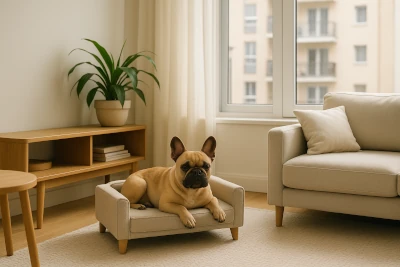
French Bulldogs are small, sturdy, and devoted to their people.
- Weight: 16 to 28 pounds
- Height: 11 to 12 inches
Their compact build, wide chest, and bat ears help them stand out. They fit on small sofas and love short bursts of play followed by long naps.
Temperament and care:
Frenchies are laid-back, people-oriented, and usually quiet indoors. They often do well with short daily walks and indoor play, rather than long hikes. Grooming is simple since they have a smooth, short coat.
Because they are short-nosed, they can face breathing issues and heat sensitivity. Many owners keep walks short on hot days and pay attention to any sign of heavy breathing.
Pros
- Affectionate and people-focused
- Usually low to moderate energy
- Short coat, simple grooming
- Often friendly with guests and other pets
- Great size for small couches and beds
Cons
- Prone to breathing problems
- Can overheat in warm weather
- May need careful weight control
2. Pug
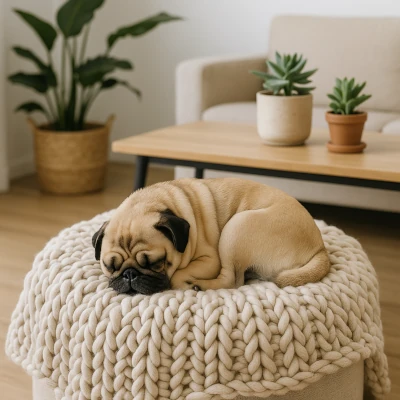
Pugs are classic “clown” dogs, always ready to entertain and cuddle.
- Weight: 14 to 18 pounds
- Height: 10 to 13 inches
Their round eyes, wrinkled face, and curled tail give them a unique look. Most Pugs are true lap dogs and thrive in small homes where they stay close to their people.
Temperament and care:
Pugs mix playful bursts with lazy stretches on the couch. Many do well with 20 to 30 minutes of daily play or a pair of short walks. Shedding can be steady, but brushing helps. Their skin folds and face wrinkles need regular cleaning.
Pros
- Funny, outgoing personality
- Great size for apartments and condos
- Usually friendly with kids and visitors
- Adjusts well to calm daily routines
Cons
- Prone to overheating and breathing issues
- May gain weight if exercise is too low
- Face wrinkles need regular cleaning
3. Cavalier King Charles Spaniel
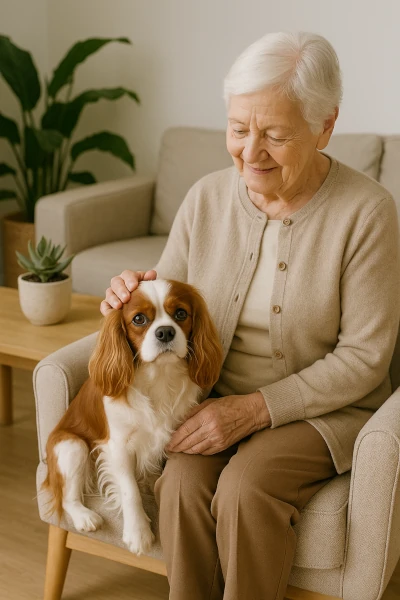
Cavaliers are soft, gentle toy spaniels with “old soul” eyes.
- Weight: 13 to 18 pounds
- Height: 12 to 13 inches
Their silky coat and feathered ears look fancy but fit on any small lap. They adapt well to both quiet apartments and active families.
Temperament and care:
Cavaliers are affectionate, friendly, and easygoing. They enjoy moderate walks and some play time but are just as happy curling up with you. Their medium-length coat needs brushing 2 to 3 times a week to avoid tangles.
Pros
- Very people-oriented and gentle
- Usually good with kids and seniors
- Gets along well with other friendly pets
- Moderate exercise needs fit small spaces
Cons
- Known risk of heart disease (needs vet checks)
- Ears and feathering need regular brushing
- Can struggle with long hours alone
4. Shih Tzu
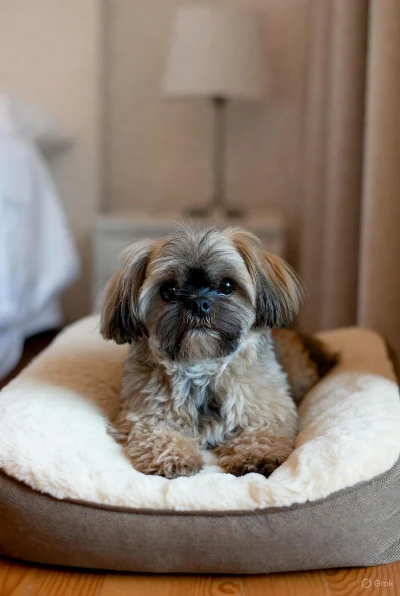
Shih Tzus were bred as indoor companions, which shows in how well they fit apartment life.
- Weight: 9 to 16 pounds
- Height: 9 to 10.5 inches
Their long flowing coat can be kept full or clipped short in a “puppy cut”.
Temperament and care:
Shih Tzus are affectionate, usually friendly, and enjoy being close to their people. Their exercise needs stay low. Many are content with indoor play, short walks, and lots of sofa time. Grooming can be more involved. Daily brushing or regular professional grooming helps prevent mats.
Pros
- Great size for small homes
- Often suitable for people with mild allergies
- Calm, companion-focused temperament
- Low outdoor exercise needs
Cons
- Eyes can need extra care
- Coat care can be time-consuming or costly
- Some can be stubborn with potty training
5. Boston Terrier
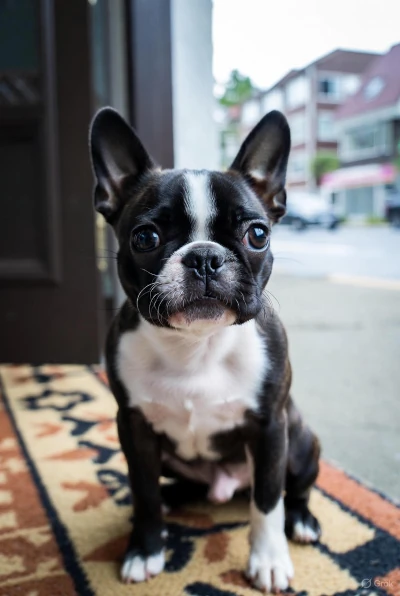
Boston Terriers are compact, smart, and full of charm.
- Weight: 12 to 25 pounds
- Height: 15 to 17 inches
Their tuxedo coat, square head, and expressive eyes make them easy to recognize.
Temperament and care:
Bostons are lively but not over the top. They enjoy short bursts of play and a couple of walks, then relax inside. Their short coat sheds lightly and is easy to clean. Many Bostons enjoy training games and can be fun partners for city walks.
Pros
- Compact but sturdy
- Often great with kids and guests
- Short coat needs minimal grooming
- Smart and usually eager to please
Cons
- Some can be sensitive to heat
- Eyes may be prone to irritation
- A few individuals bark more than others
6. Havanese
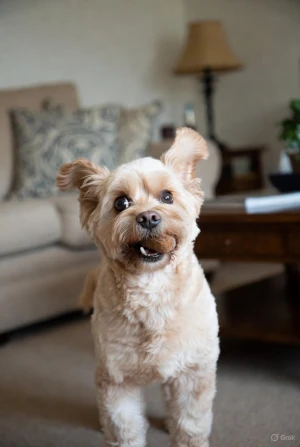
Havanese dogs are cheerful and people-centered, bred as companion dogs from the start.
- Weight: 7 to 13 pounds
- Height: 8.5 to 11.5 inches
They have a soft, silky coat that can be kept long or trimmed shorter.
Temperament and care:
Havanese are happy, social, and often very trainable. They enjoy about 30 minutes of daily activity, which can be a couple of walks and some indoor games. Their coat does not shed much, but it can mat if not brushed regularly.
Pros
- Often well suited for allergy-sensitive homes
- Friendly with kids and other pets
- Easy size for travel and apartments
- Responds well to training and routines
Cons
- Needs regular grooming or pro trims
- Can struggle with long stretches alone
- Some individuals bark at new sounds
7. Maltese

Maltese dogs are tiny white lap dogs with an elegant look.
- Weight: 4 to 7 pounds
- Height: under 10 inches
Their long white coat is often kept in a shorter “puppy cut” for easier daily care.
Temperament and care:
Maltese dogs are gentle, people-focused, and love to be held. Their exercise needs are low. Short walks or indoor play often meet their needs, which works very well in small homes. Tear staining and coat care need some attention.
Pros
- Very small and portable
- Great for calm apartments and condos
- Often bonds closely with one or two people
- Low outdoor exercise needs
Cons
- Fragile around rough play and small kids
- Needs steady grooming and eye care
- Can develop separation anxiety if alone too much
8. Yorkshire Terrier
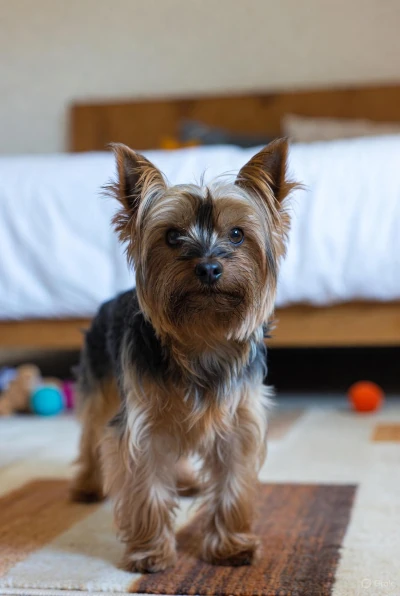
Yorkies pack a bold attitude into a tiny body.
- Weight: 4 to 7 pounds
- Height: 8 to 9 inches
They have fine, silky hair that behaves more like human hair than fur.
Temperament and care:
Yorkies are alert, confident, and often act larger than they are. Short walks, indoor games, and training sessions keep them happy. Grooming every 4 to 6 weeks helps control the coat, along with regular brushing.
Pros
- Tiny size suits even studio apartments
- Low shedding coat
- Alert and watchful
- Often forms strong bonds with family
Cons
- Can become “yappy” without training and structure
- Needs steady grooming
- Small size can make them fragile
9. Chihuahua
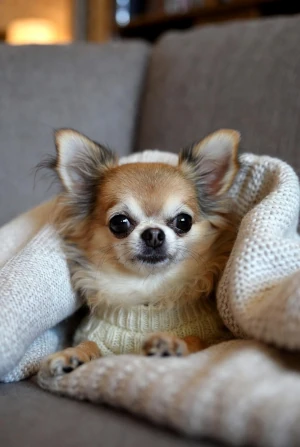
Chihuahuas are among the smallest dog breeds in the world.
- Weight: 2 to 6 pounds
- Height: 6 to 9 inches
They come in smooth and long coat types. Both fit well in tiny homes.
Temperament and care:
Chihuahuas are loyal and often pick a favorite person. Their exercise needs are modest. Short walks and indoor play can cover their movement needs, especially in bad weather. They like warmth and often burrow under blankets.
Pros
- Very easy to carry and travel with
- Needs minimal floor space
- Eats less than larger breeds
- Strong, loyal bond with their person
Cons
- Needs gentle handling, not ideal for very rough kids
- Early socialization helps reduce fear or snapping
- May need sweaters or coats in cold weather
10. Bichon Frise
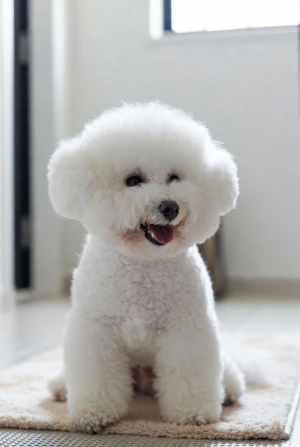
Bichon Frises are fluffy, white “powder-puff” dogs known for their cheerful outlook.
- Weight: 12 to 18 pounds
- Height: 9.5 to 11.5 inches
Their soft, curly coat often works well for allergy-sensitive homes when groomed correctly.
Temperament and care:
Bichons are playful but gentle. They usually enjoy moderate indoor play and regular walks. Monthly grooming and frequent brushing keep their coat in shape. Many Bichons adapt well to apartment life due to their friendly, moderate nature.
Pros
- Fun, cheerful companion
- Often suitable for allergy-sensitive families
- Good size for both kids and adults
- Tends to bark less than some toy breeds
Cons
- Grooming costs can be higher
- Some can develop separation anxiety
- Coat needs steady upkeep to stay clean and soft
Comparison Table: Apartment-Friendly Traits at a Glance
| Breed | Avg. Weight (lb) | Energy Level | Barking Tendency | Grooming Needs | Common Health Notes |
|---|---|---|---|---|---|
| French Bulldog | 16–28 | Low to moderate | Low to medium | Low | Breathing, heat sensitivity |
| Pug | 14–18 | Low to moderate | Medium | Low | Breathing, weight gain |
| Cavalier King Charles Spaniel | 13–18 | Moderate | Low to medium | Moderate (brushing) | Heart disease, ears |
| Shih Tzu | 9–16 | Low | Low to medium | High (brushing/groomer) | Eyes, dental care |
| Boston Terrier | 12–25 | Moderate | Medium | Low | Eyes, heat sensitivity |
| Havanese | 7–13 | Moderate | Medium | High (brushing/groomer) | Knees, eyes |
| Maltese | 4–7 | Low | Medium | High | Dental care, tear staining |
| Yorkshire Terrier | 4–7 | Moderate | Medium to high | High | Dental care, trachea issues |
| Chihuahua | 2–6 | Low to moderate | Medium | Low to moderate | Dental care, patella issues |
| Bichon Frise | 12–18 | Moderate | Low to medium | High (groomer) | Allergies, skin, potential anxiety |
Additional Tips for Success with These Breeds
Exercise Routines for Small Spaces
Most of the Best Dog Breeds for Apartments stay happy with short, focused activities. Common indoor and small-space ideas include:
- Short hallway fetch sessions
- Hide-and-seek with treats around one room
- Food puzzle toys for meals
- Basic training sessions using sit, stay, spin, and touch
- Tug toys followed by a calm cool-down on the couch
Sources like the Apartment List 2025 guide to apartment friendly breeds often point out that mental exercise can tire small dogs as much as physical play.
Training Essentials for Small Homes
In tight spaces, good manners make life easier for everyone. Many small breeds respond well to:
- Short, frequent training sessions
- Treats, praise, and gentle handling
- Consistent routines for meals, potty breaks, and bedtime
Crate training or pen training can provide a safe “den” for your dog and help with house rules. Since you share walls, quiet cue words and calm redirection matter more than loud scolding.
Furnishing Your Small Home for a Dog
The right setup makes a big difference in tiny spaces. Common items that fit small homes include:
- Compact, washable dog bed or crate mattress
- Foldable or pressure-mounted baby gates
- Wall-mounted hooks for leashes and harnesses
- Narrow storage bins for toys and grooming gear
- Simple, non-slip rugs for traction in hallways
Many of the breeds here prefer a cozy corner or crate where they can rest without constant activity around them.
Health Maintenance in Apartments
Small dogs often live long lives, so steady care pays off. Apartment-friendly routines often include:
- Regular vet visits for vaccines, exams, and dental checks
- Nail trims, since most apartment dogs walk on smooth floors
- Dental care, such as brushing or dental chews, especially for toy breeds
- Monitoring weight, since treats and low activity can add pounds fast
Guides like AKC’s list of best dogs for apartment dwellers and the World Animal Foundation’s city dog breed overview often highlight how regular care keeps small dogs comfortable indoors.
Common Mistakes to Avoid
People in small homes often run into the same problems. Some common mistakes include:
- Choosing a breed only for looks and not for temperament or health
- Underestimating grooming time and costs with long-coated breeds
- Ignoring barking or anxiety until neighbors complain
- Expecting tiny dogs to handle rough play or stairs without support
Paying attention to these patterns helps create a peaceful, long-term match between you, your home, and your future dog.
Finding Your Perfect Small-Space Companion
The Best Dog Breeds for Apartments are not just small. They balance size, energy, temperament, and grooming needs in a way that fits compact living. Breeds like the French Bulldog, Pug, Cavalier King Charles Spaniel, Shih Tzu, Boston Terrier, Havanese, Maltese, Yorkshire Terrier, Chihuahua, and Bichon Frise have all proven that a big heart can fit in a small body.
As you picture life with your future dog, think about your daily routine, noise level, grooming comfort, and budget. The right match will feel natural, whether you live in a studio, a small condo, or a cozy family apartment.
When a dog’s needs match your lifestyle, even the smallest home can feel complete.
References
- Best Dogs For Apartments, American Kennel Club
- Best Dogs For Apartment Dwellers, American Kennel Club
- Smallest Dog Breeds / Best Dogs For Apartment Dwellers, American Kennel Club
- The 26 Best Dogs for Apartments and Small Spaces, Daily Paws
- Best Apartment Dogs: Quiet, Low-Energy Dog Breeds Perfect for Renters, DogTime
- 7 Best Small Dogs for Apartment Living, Embrace Pet Insurance
- 9 Excellent Dog Breeds For A Happy City Home, World Animal Foundation


